
LogRocket Leader Spotlight: Hiring and Scaling a Remote-First Team
I was interviewed for LogRocket’s Leader Spotlight series about scaling Close from a founding team of six to more than 100 people, and becoming a fully remote company along the way.
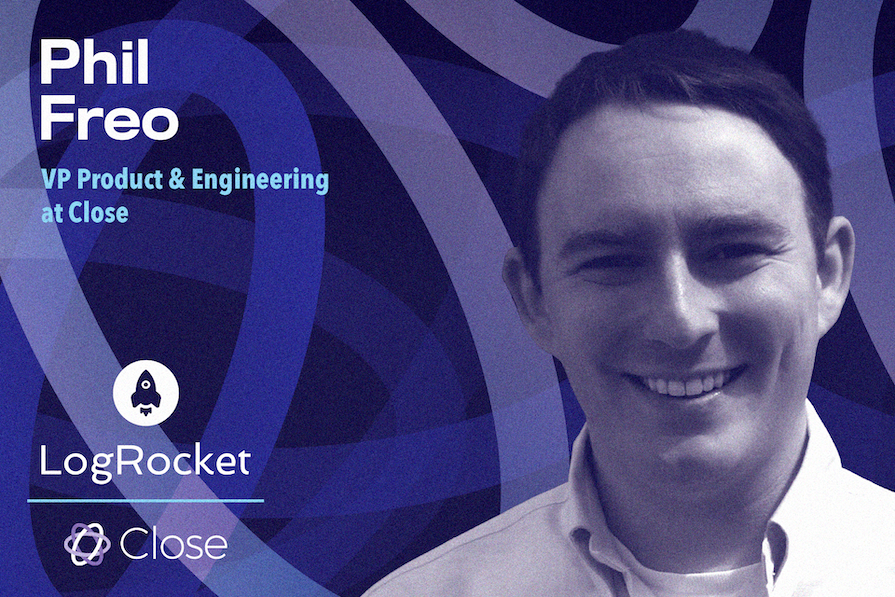
A few highlights:
How we ended up fully remote
In our early days, there were only six or seven of us working out of a small office in Palo Alto. We were trying to hire engineers in Silicon Valley, but we were a tiny startup that didn’t have fancy offices or big VC funding, so it was hard to get the attention of great engineers. We found that hiring remotely really helped us stand out because back then, it wasn’t the norm.
Screening applicants in the age of AI
It’s gotten a lot more difficult now that people have built AI bots to auto-submit their resumes. In the past, we used to ask custom questions within the applications to screen for spam. AI makes that trickier now because LLMs are great at answering generic questions with something that sounds reasonable at first glance.
To combat this, we’ve added a little puzzle into our applications. Now, if you apply for a backend engineering role, you don’t just submit your resume — you actually have to post a special HTTP request to one of our server endpoints and then submit the right thing back.
What we look for in a hire
Overall, we’re looking for depth in craftsmanship, a passion for high-quality work, and strong communication skills. In a remote world specifically, you tend to have to over-communicate, so that skill is very important to us.
Restructuring into cross-functional teams
My strategy in rolling this out involved writing a big document explaining why we’re doing this. Why now? What problems are we trying to solve? Where do we want to go with it? What is each team going to look like? I looped in the leadership team and fleshed out this document to answer any questions that popped up. By the time we unveiled this new structure to the whole team, we had answers to all the main questions. It was conveyed as a well-thought-out idea, so it was well-received.
Why Shape Up works for us
What I find attractive about the Shape Up methodology is its fixed timeline and flexible scope. It has six-week cycles with two-week gaps between each cycle. While many engineering teams work in two-week sprints, that doesn’t typically provide enough time to deliver significant user value once the product has reached a certain level of maturity.
Shape Up’s six-week time frame, combined with the idea of a fixed timeline and flexible scope, helps us deliver value to customers without letting the scope get too large. It’s also helped us to improve consistency and predictability, as the rest of the company knows when something will be done.
Trust
We were able to shift to a fully remote company so well and so easily because our team has high trust. Trust is earned — or at least strengthened — over time and is easier to develop in person initially. We built the foundation of our company in person, and that’s been instrumental to our success. Now, we have the structure in place to extend trust and autonomy to remote team members, and that’s helped us retain amazing talent.